
Key Takeaways
- In Florida, the 25% rule for window placement aims to maximize natural light and ventilation, enhancing indoor comfort.
- Windows should occupy at least 25% of a room’s wall area to comply with the Florida Building Code, promoting energy efficiency.
- This rule encourages strategic window positioning to take advantage of cross-breezes, reducing the need for air conditioning.
- Properly designed windows can significantly improve a home’s aesthetics, making it a valuable consideration for homeowners.
- The 25% rule balances functionality and design, ensuring well-lit and airy spaces while maintaining a visually appealing interior.
- In warmer climates like Florida, optimizing natural cooling through windows can lead to substantial energy savings.
At a glanceThe 25 rule for windows in Florida states that windows should allow at least 25% of natural light into a room. This ensures ample daylight, helping to reduce energy usage and improve indoor comfort, especially during the sunny Florida climate.
In Florida, proper window placement and design are crucial considerations for maintaining comfortable indoor environments. The intense Fl sun and high humidity necessitate strategic solutions to maximize natural light while minimizing heat gain. This is where the 25% rule comes into play, offering a practical guideline for window orientation and sizing. By understanding this rule, homeowners and builders can optimize ventilation, reduce energy costs, and create more livable spaces. This article delves into the science behind the 25% rule, providing expert insights for navigating the unique climate challenges of Fl.
Impact Windows And Doors in Boca Raton: Where to Start
Looking for impact windows and doors in Boca Raton, FL? Boca Raton, FL impact windows and doors serves the local area and can answer questions specific to Boca Raton.
Understanding Florida's 25 Rule for Windows
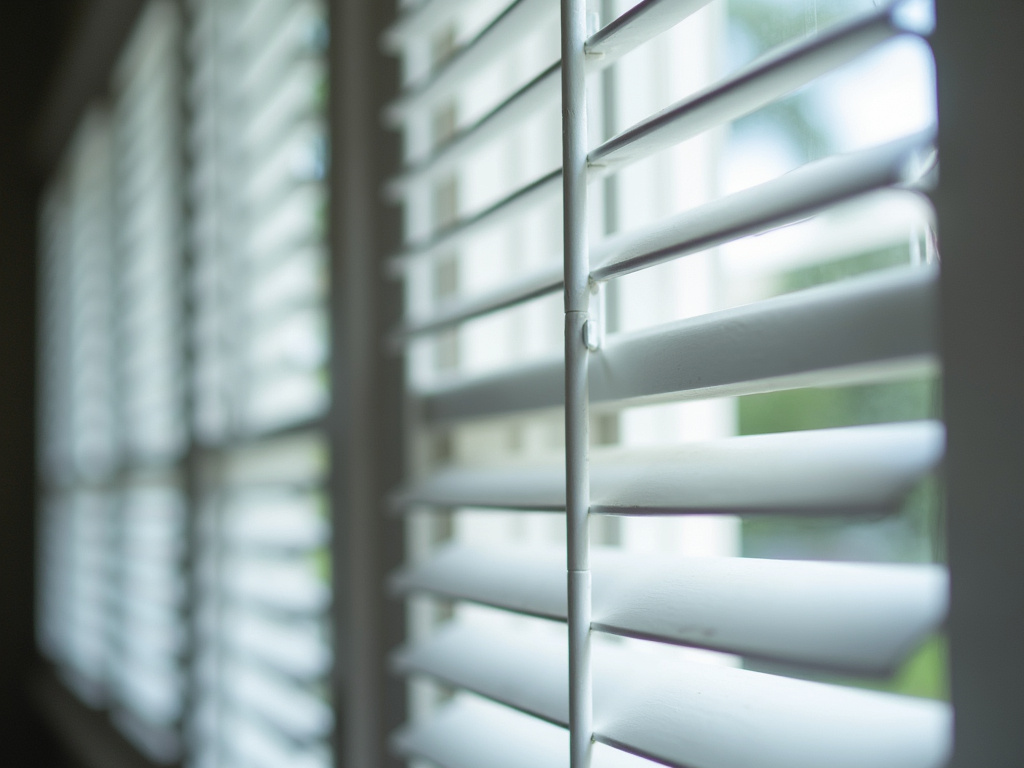
Florida’s 25 Rule for Windows is a crucial guideline for homeowners looking to enhance their property’s safety and resilience, especially in light of the state’s natural vulnerabilities, including strong winds and extreme weather events. This rule dictates that when replacing or installing windows, at least 25% of the total exterior window area should be impact-resistant. This means that if you have 100 square feet of windows on the exterior of your Florida home, you must install at least 25 square feet of impact-resistant windows, such as impact glass or approved storm shutters.
Complying with the 25 Rule is not just a recommendation; it’s a requirement for properties in high-risk areas, as designated by the Florida Building Code. The primary goal is to reduce the risk of property damage and personal injury during severe weather events. Impact-resistant windows are designed to withstand high-velocity impacts, such as flying debris, and to provide a strong defense against forced entry, further protecting homes and families.
Understanding the 25 Rule is essential for several reasons. Firstly, it ensures that Florida homes are better equipped to withstand the state’s notorious hurricanes and storms, reducing the likelihood of significant property damage. Secondly, it can lower insurance premiums, as many insurance companies offer discounts for homes that incorporate impact-resistant features. According to recent data, the average cost of impact windows in Florida ranges from $150 to $350 per square foot, depending on the type of material and the level of impact resistance required. This investment, however, can prove invaluable during a storm, potentially saving thousands in repair costs.
When considering compliance, homeowners should consult with professionals who specialize in Florida building codes and window installations. They can help navigate the 25 Rule and recommend suitable impact-resistant window options that meet both the code and the homeowner’s aesthetic preferences. Remember, the 25 Rule is designed to bolster Florida’s resilience against extreme weather, and adhering to it is a proactive step toward safeguarding your home and family.
Factors and Benefits: Why Florida Homes Follow the 25 Rule

Florida’s 25% rule for window replacement is a crucial regulation designed to enhance energy efficiency and storm resilience across the state. This rule mandates that when replacing windows, at least 25% of the total window area in a residence must be made up of impact-resistant or hurricane-impact windows. This standard has become integral to Florida’s building code, reflecting the state’s unique vulnerability to extreme weather events, particularly hurricanes. The primary goal is to minimize the risk of property damage and ensure better thermal performance for homes across Fl naturally.
The benefits of adhering to this rule are multifaceted. For homeowners in Boca Raton or other hurricane-prone areas, impact-resistant windows offer a vital line of defense against powerful storms. These windows are designed to withstand high winds and flying debris, providing a secure sanctuary during severe weather events. Moreover, the 25% rule encourages the adoption of energy-efficient window technologies. Impact windows often incorporate advanced insulation properties, helping to regulate indoor temperatures year-round, which can lead to significant savings on heating and cooling bills. Many Fl residents have discovered that by prioritizing these high-performance windows during replacements, they can enjoy both enhanced safety and long-term cost savings.
What to expect from the Fl process involves careful planning and selection. Homeowners should research local building codes and consult with professionals who specialize in window replacement to ensure compliance. Fortunately, Florida offers rebates for those who opt for impact windows, making them a more affordable option. These incentives can be a significant help in offsetting the initial costs associated with upgrading to hurricane-resistant windows. By embracing the 25% rule, Fl homeowners not only strengthen their properties but also contribute to a more sustainable and resilient built environment.
| Factor | What to know |
|---|---|
| Impact-resistant requirement | At least 25% of exterior window area must be impact-resistant |
| Natural light guideline | Windows should allow at least 25% natural light into a room |
| Wall coverage limit | No more than 25% of exterior wall area can be windows |
| Cost of impact windows | Ranges from $150 to $350 per square foot |
| Insurance benefit | Impact-resistant features can lower insurance premiums |
| Available incentives | Florida offers rebates for choosing impact windows |
Implementing the 25 Rule: Step-by-Step Guide for Fl Homes
Implementing the 25 Rule: A Step-by-Step Guide for Florida Homes
In Florida, understanding the 25 Rule for windows is crucial for any homeowner or renovator looking to ensure optimal energy efficiency and comfort. The 25 Rule, simply put, dictates that no more than 25% of a home’s exterior wall area can be covered by windows. This guideline is designed to balance the benefits of natural light and ventilation with the need for insulation and climate control. Given Florida’s unique climate, with its high humidity and frequent temperature extremes, adhering to this rule can significantly impact your home’s energy performance.
To effectively implement the 25 Rule, start by assessing your home’s current window configuration. Measure the total wall area around your house and identify the portion dedicated to windows. If your windows currently exceed 25% of the wall area, consider the following steps:
-
Evaluate Window Placement: Prioritize placing windows on the less exposed sides of your home, such as interior walls or less sunny exterior areas.
-
Choose Energy-Efficient Windows: Opt for double-paned or triple-paned windows with high-performance coatings to reduce heat transfer. Look for products specifically designed for Florida’s conditions, which often include solar-control films or low-e coatings.
-
Consider Alternative Solutions: If replacing all windows is not feasible, consider adding exterior shutters or planting strategic shade trees to reduce solar gain during the hottest parts of the day.
Once you’ve made these initial assessments, work with a professional to design a window arrangement that complies with the 25 Rule. This might involve relocating existing windows or selecting different sizes and placements to achieve the necessary balance. Remember, the goal is not just to meet the 25 Rule but to create a well-insulated, comfortable home that leverages natural light efficiently. By following these steps, you’ll ensure your Florida home is equipped to withstand the state’s varied weather while maintaining a pleasant indoor environment year-round.
Frequently Asked Questions About What is the 25 rule for windows in Florida?
What is the 25 rule for windows in Florida?
The 25 rule, also known as the Florida Solar Energy Code, dictates that at least 25% of a building’s floor area in certain parts of the state must be covered by solar energy devices like windows. This rule aims to promote the use of renewable energy and improve energy efficiency in residential and commercial buildings.
Who enforces the 25 rule?
The Florida Building Code (FBC) and local building departments enforce the 25 rule. These entities ensure that new constructions and renovations comply with the solar energy requirements set forth by the code.
Does the 25 rule apply to all buildings in Florida?
No, the 25 rule primarily applies to new construction and major renovations of residential and commercial buildings. Some exceptions exist for historic structures, low-income housing, and buildings in specific climate zones.
What types of windows are allowed under the 25 rule?
The rule specifies that solar energy devices must be operable windows or skylights. Fixed windows and non-operable skylights do not count towards fulfilling the 25% requirement. Operable windows allow for natural light and heat absorption, contributing to energy savings.
Can homeowners opt-out of the 25 rule?
Homeowners can request an exemption from the 25 rule if they provide justifiable reasons, such as architectural design constraints or specific climate considerations. However, this exemption must be approved by the local building department.
What are the benefits of adhering to the 25 rule?
Adhering to the 25 rule offers significant energy savings and reduced utility costs for building owners. It also contributes to Florida’s overall goal of increasing renewable energy usage and reducing carbon emissions, making it a key component in sustainable building practices.
How do I know if my building project complies with the 25 rule?
To ensure compliance, consult with a professional architect or engineer who is familiar with the Florida Building Code. They can help design your project to meet the 25% solar energy requirement and guide you through the approval process with local authorities.
The Florida 25 Rule for windows serves as a crucial guideline for homeowners, ensuring energy efficiency and comfort. By implementing this rule, Fl residents can enjoy the benefits of well-designed windows, including reduced energy costs, improved indoor air quality, and enhanced structural integrity. Understanding the factors that contribute to the rule’s success and following a simple step-by-step guide can help Fl homeowners make informed decisions when replacing or installing windows, ultimately leading to more comfortable and sustainable living spaces.
STS Impact Windows & Doors.
1000 Holland Dr #10, Boca Raton, FL 33487
(561) 600-1018
View STS Impact Windows & Doors. on Google Maps
How to get to STS Impact Windows & Doors. from Sugar Sand Park
Driving in from Sugar Sand Park? STS Impact Windows & Doors. is close by. Head out on S Military Trail and you'll find us on Holland Dr #10 at 1000 Holland Dr #10, Boca Raton, FL 33487. Use the map below for turn-by-turn directions.