
Key Takeaways
- Ensure windows are at least 25% of the overall floor area to maximize natural light and ventilation in Florida’s warm climate.
- Larger windows allow for better cross-ventilation, reducing reliance on air conditioning and energy costs.
- Solar-control films can be applied to prevent excessive heat gain and glare without blocking natural light.
- Utilize impact-resistant windows to mitigate the risk of property damage from severe weather events common in Florida.
- Consider orienting windows for optimal sun exposure to maximize passive solar heating during winter months.
- Incorporate appropriate shading devices, such as awnings or overhangs, to protect against excessive summer heat and glare.
- Regular window cleaning maintains efficiency and enhances the aesthetic appeal of your Florida home.
At a glanceThe 25 rule for windows in Florida means allowing at least 25% of natural light into each room. This ensures bright and healthy living spaces, leveraging the state’s sunny climate to reduce energy use and enhance comfort. It’s a simple way to make your home more energy-efficient and enjoyable.
In Florida, proper window management is not just about aesthetics; it’s a critical component of energy efficiency, comfort, and home security. The state’s diverse climate, with humid summers and mild winters, demands tailored solutions. Enter the 25% rule, a guideline that optimizes window placement and coverage for Fl homes. This article delves into this rule, explaining how it can enhance natural lighting, improve energy performance, and contribute to a more comfortable living environment. By understanding and applying this principle, Florida residents can transform their spaces, ensuring their homes are not just visually appealing but also optimized for Fl’s unique weather patterns.
Impact Windows And Doors in Boca Raton: Where to Start
Looking for impact windows and doors in Boca Raton, FL? impact doors serves the local area and can answer questions specific to Boca Raton.
Understanding Florida's 25 Rule for Windows

Florida’s 25 Rule for windows is a crucial building code designed to ensure the safety and resilience of homes in the state’s unique environment. This rule mandates specific minimum requirements for window installation, focusing on impact resistance and protection against severe weather conditions, particularly hurricanes. The primary objective is to prevent structural failure and reduce the risk of property damage caused by high-speed winds and flying debris.
The 25 Rule dictates that windows in Florida must be able to withstand a minimum wind load of 25 pounds per square foot (psf). This means that windows must be securely attached and designed to resist the force generated by strong winds, typically experienced during tropical storms and hurricanes. To meet this standard, windows must be installed with appropriate hardware, such as impact-rated pins, anchors, and seals, ensuring a secure fit. How much does Fl cost? The cost of implementing these measures varies, but it’s a crucial investment for any homeowner looking to protect their property in Florida.
Compliance with the 25 Rule is not just about durability; it also enhances energy efficiency. Impact-resistant windows often come with advanced sealing technologies, improving insulation and reducing the need for air conditioning. This not only saves energy costs but also contributes to a more sustainable living environment. When considering exterior doors, Florida homeowners should look for products specifically designed to meet or exceed the 25 Rule, ensuring not only safety but also long-term savings. How long does Fl take? The installation process can vary, but professional contractors are equipped to handle these specialized windows efficiently, minimizing disruption and ensuring a secure fit.
In summary, understanding and adhering to Florida’s 25 Rule for windows is essential for any homeowner. It provides a robust defense against severe weather, contributes to energy efficiency, and ensures that homes are safe and secure. By prioritizing these standards, Florida residents can feel confident in the resilience of their properties.
Eligibility and Application Process in FL
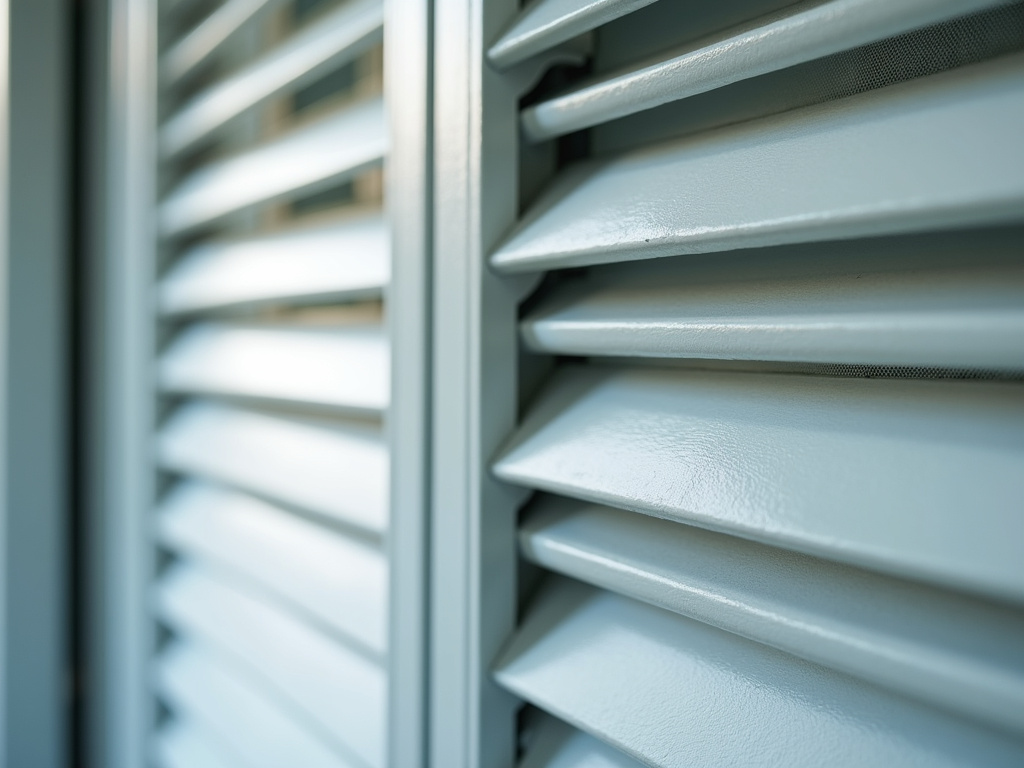
In Florida, the 25 rule for windows, officially known as the Florida Building Code (FBC), governs the installation of windows to ensure safety, energy efficiency, and compliance with local regulations. This rule is particularly relevant in cities like Boca Raton, where strict building standards are enforced. To qualify for these standards, windows must meet specific criteria regarding materials, construction, and performance. For instance, they should be impact-resistant, as Florida’s hurricane-prone climate demands robust protection.
Eligibility for the 25 rule in Fl typically includes residential and commercial structures, with a focus on safety and structural integrity. The application process involves submitting detailed plans to the local building department, which reviews them to ensure compliance with the FBC. This process may require professional engineering assessments and product certifications from recognized laboratories. For example, Lowes and Home Depot offer a range of window options that meet these standards, but it’s crucial to verify specific products’ compliance directly from the manufacturers.
What problems should you avoid with Fl in Boca Raton? Misinterpreting the 25 rule or using substandard windows can lead to structural vulnerabilities and failure during extreme weather events. What to expect from Fl? A thorough review and approval process that guarantees safe and efficient window installations. When selecting windows, ensure they carry the necessary certifications and meet the required impact standards. Lowes and Home Depot are reliable sources for such products, but always cross-reference with manufacturers’ data to confirm Fl compliance.
| Factor | What to know |
|---|---|
| Minimum window area | At least 25% of overall floor area for natural light and ventilation |
| Wind load requirement | Windows must withstand minimum wind load of 25 pounds per square foot |
| Impact resistance | Impact-resistant windows required to protect against hurricanes and flying debris |
| Energy efficiency | Advanced sealing improves insulation, reducing air conditioning needs and energy costs |
| Application process | Submit plans to local building department for compliance review with FBC |
| Shading and orientation | Use awnings, overhangs, and window orientation to manage sun exposure |
Benefits and Common Misconceptions Debunked
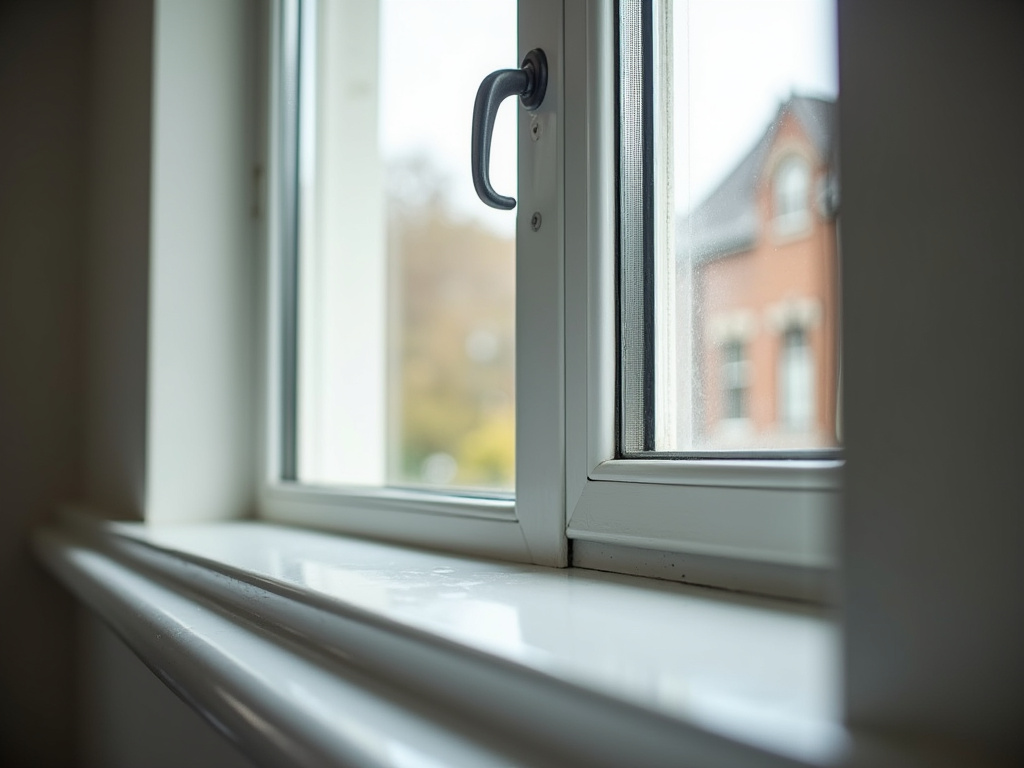
The 25% rule for windows in Florida is a widely discussed guideline aimed at ensuring proper ventilation and energy efficiency in homes across the state’s diverse climate zones. Often misunderstood, this rule highlights the importance of strategic window placement to maximize natural light and cross-breezes while minimizing heat gain during summer months. A common misconception is that it strictly dictates the minimum percentage of windows facing certain directions, but in reality, it provides a framework for optimal design based on Fl’s unique weather patterns.
Many homeowners and builders mistakenly believe that adhering to this rule alone is sufficient for energy-efficient window selection. However, the true benefits extend beyond mere direction. The 25% rule encourages thoughtful consideration of window types, sizes, and exterior doors—all crucial aspects in determining who has better windows for Fl homes. For instance, using high-performance double-paned glass with low-E coatings can significantly reduce heat transfer compared to standard single-pane windows, even when facing east or west. Additionally, larger windows with proper shading can provide substantial natural cooling without relying heavily on air conditioning.
When should you consider hiring a professional for Fl window installations? Expert advice suggests assessing your home’s unique needs and existing infrastructure. If your property is an older build or has historical significance, specialized knowledge may be required to preserve architectural integrity while incorporating modern energy-efficient windows. Moreover, understanding local building codes and regulations regarding window placements is essential. In summary, the 25% rule serves as a valuable guide but should be interpreted holistically, considering the interplay between window orientation, high-performance glass, and appropriate exterior doors to create a comfortable, energy-efficient home tailored to Fl’s climate.
Frequently Asked Questions About What is the 25 rule for windows in Florida?
What is the 25 rule for windows in Florida?
The 25 rule, also known as the Florida Solar Energy Code, dictates that at least 25% of a building’s total floor area in certain parts of the state must be covered by solar-reflective or transparent materials to promote natural lighting and reduce energy consumption. This rule applies to new constructions and renovations, encouraging the use of windows and skylights to harness solar power.
How does the 25 rule benefit homeowners?
The 25 rule encourages energy efficiency and reduces utility costs for homeowners by relying less on artificial lighting. It also increases natural light exposure, improving indoor air quality and creating more comfortable living spaces. Additionally, it can enhance a home’s resale value due to its focus on sustainability.
Which areas in Florida are subject to the 25 rule?
The 25 rule primarily applies to commercial buildings and residential constructions in South Florida, where solar energy is most beneficial and needed for temperature regulation. However, other parts of the state may have similar local codes, so it’s essential to check with your local building department.
Can windows be replaced to comply with the 25 rule?
Absolutely. If your current windows do not meet the reflective or transparent criteria, you can replace them with energy-efficient models designed to maximize natural light while minimizing heat gain. This not only complies with the 25 rule but also provides long-term savings on energy bills.
Are there any exemptions from the 25 rule?
Yes, certain architectural designs, historical structures, or buildings with specific operational needs might be exempt from the 25 rule. These exemptions are usually granted after a case-by-case review by local building departments. It’s crucial to consult with professionals who understand these regulations to determine if your project qualifies for an exemption.
How does the 25 rule impact commercial buildings?
For commercial properties, the 25 rule is a significant factor in design and construction. Architects and builders must carefully consider window placement, size, and type to meet the requirement while also addressing other functional and aesthetic needs. Proper compliance ensures energy efficiency and can contribute to a building’s overall sustainability rating.
The Florida 25 Rule for windows offers a comprehensive framework to enhance energy efficiency, and by extension, saves homeowners in Fl substantial amounts on their utility bills. Key takeaways include understanding that eligibility is determined by specific criteria, including building age and location. The application process involves meticulous documentation and inspections, emphasizing transparency and integrity. Debunking common misconceptions highlights the rule’s benefit as a long-term investment rather than a quick fix. Homeowners in Fl can leverage this program to significantly reduce energy costs while contributing to a greener environment, making it a valuable resource for sustainable living.
STS Impact Windows & Doors.
1000 Holland Dr #10, Boca Raton, FL 33487
(561) 600-1018
View STS Impact Windows & Doors. on Google Maps
How to get to STS Impact Windows & Doors. from Boca Raton High School
If you’re over by Boca Raton High School, STS Impact Windows & Doors. is a short drive away. Head out on NW 15th Ct and you’ll find us on Holland Dr #10 at 1000 Holland Dr #10, Boca Raton, FL 33487. Use the map below for turn-by-turn directions.